
How Long Does Landscaping Take? A Project Timeline Guide
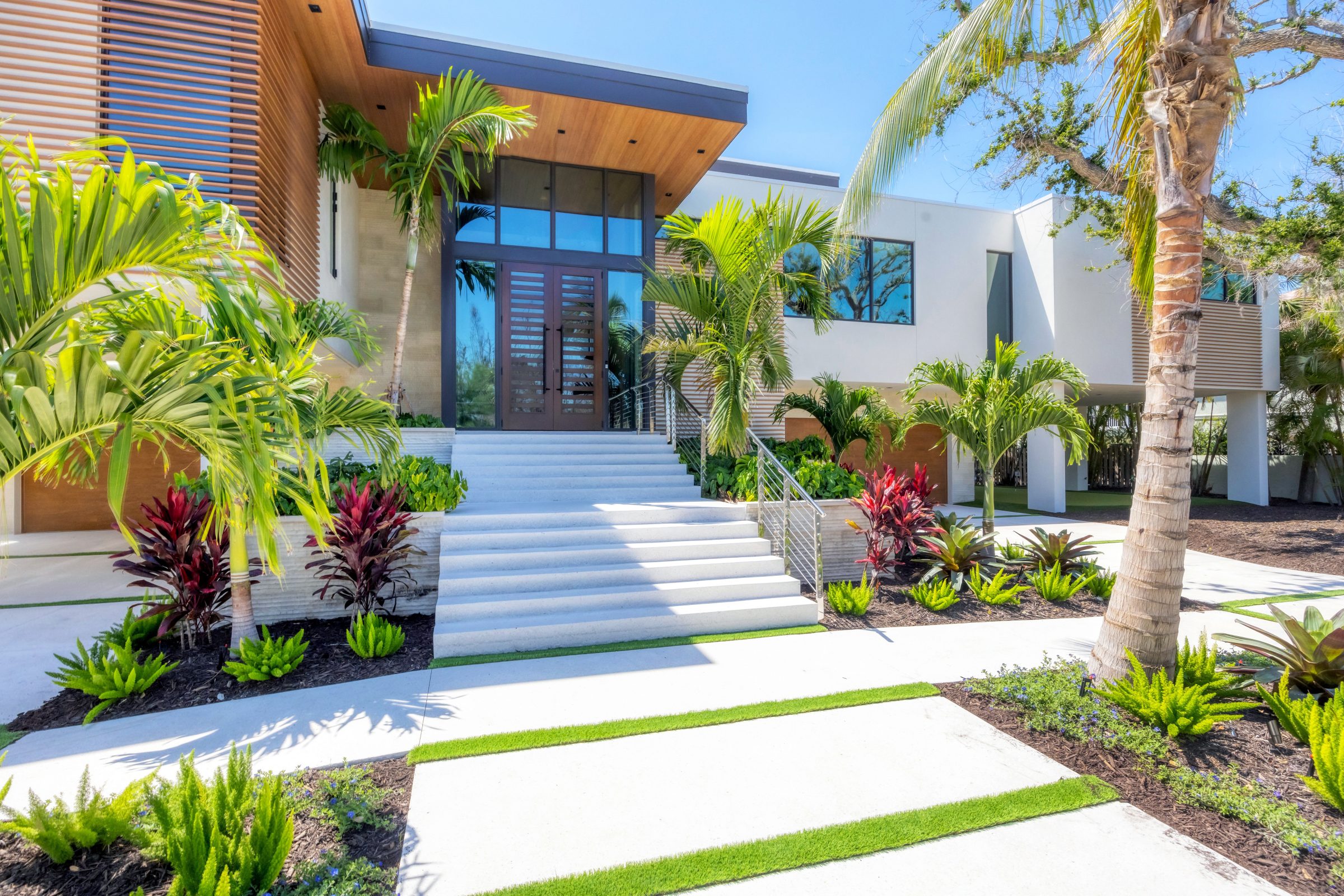
Do you find yourself wondering how long an outdoor project will keep your property in construction mode? Without a clear answer, residents, customers, and staff are left working around noise, blocked access, and uncertainty. That uncertainty adds stress for managers and makes it hard to plan around business operations or family schedules.
When you ask how long does landscaping take, the answer depends on design decisions, permitting, construction phases, and site conditions. A predictable process breaks the work into a landscape project timeline that shows you milestones from start to finish.
This guide explains each stage, from surveys and staking to patio installation and inspections, so you know what to expect and how to keep schedules on track.
What Actually Drives the Timeline On Your Project?
Every project runs at the speed of decision-making. The faster you finalize selections, the sooner crews can mobilize. Many delays happen not in the field, but at the planning table.
- If you already know what you want, your project moves forward quickly.
- If you need time for revisions, approvals, or additional options, the schedule extends.
- Large projects with multiple landscape construction phases, such as patios, retaining walls, and planting, require coordination between trades.
Account managers ensure once you give approval, work begins without hesitation. Crews stay on the project timeline because the plan is clear and decisions are made up front.
What Does The Design Timeline Include?
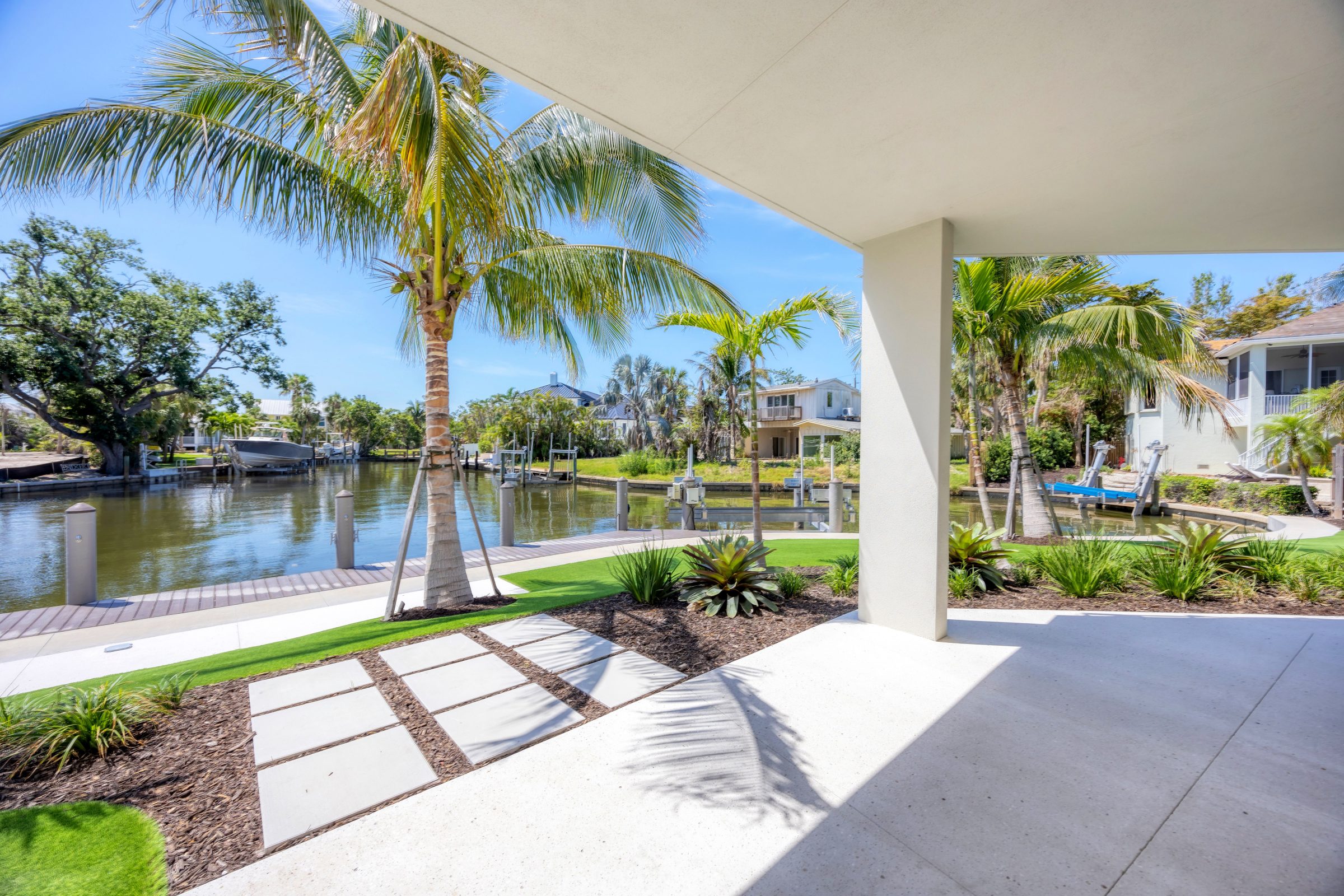
The landscape design timeline sets the stage for everything that follows. It often includes:
- Site surveys to measure boundaries and topography
- Utility checks to confirm safe digging zones
- Material selections for pavers, plants, lighting, and finishes
- Approvals from property boards or municipal offices
Design can take anywhere from a few weeks to a few months, depending on project complexity and how quickly selections are confirmed. Clear communication shortens this stage, ensuring construction crews receive complete drawings without repeated changes.
What Happens In Pre-Construction?

Pre-construction is the bridge between planning and building. It ensures the project is prepared correctly before heavy work begins. Once your design and permits are approved, crews focus on staking, procurement, and mobilization. Each construction phase matters because mistakes or delays here often cause idle time later.
Staking The Project Footprint
Staking is the process of physically marking your property with flags, lines, or paint to outline where patios, walls, beds, and pathways will go. It’s more than a simple marker; it’s a way for you to visualize the exact scale and placement before work begins. Staking confirms that designs match site conditions and helps identify any conflicts with utilities, grading, or existing features. Adjustments made at this stage are quick and inexpensive compared to changes during active construction.
Stocking Materials
This ensures that all necessary materials are sourced, ordered, and staged ahead of the build. This includes pavers, stone, plants, lighting fixtures, irrigation components, and soils. The procurement phase also considers supply chain lead times, which can vary depending on product availability or season. When handled properly, this process prevents delays where crews are left waiting for deliveries. A reliable landscape project timeline accounts for this step, ensuring that everything arrives on site when needed.
Mobilization Of Crews & Equipment
Mobilization brings crews, tools, and equipment to your site so construction can begin immediately. This includes scheduling the right specialists for different landscape construction phases, transporting machinery, and setting up temporary site access or safety controls. Mobilization also involves coordinating schedules between trades, such as excavation, irrigation, and lighting so they work in sequence rather than in conflict.
Pre-construction typically lasts one to two weeks, depending on project scale and material availability. While it may seem like a behind-the-scenes step, it is one of the most important stages in answering how long does landscaping take. Proper staking, stocking of materials, and mobilization save weeks later by preventing errors, material shortages, and downtime once work begins.
How Does The Build Timeline Change By Scope?

The construction phase is where timelines can vary most. Different scopes of work have their own requirements, and understanding them helps set realistic expectations. By breaking each scope into its own category, you can see how long each step typically takes and how they fit together into broader landscape construction phases.
Patio Installation Timeline
Patio construction depends on size, material choice, and preparation requirements. Small patios may be completed in one to two weeks, while larger designs with multiple materials often extend to three or four weeks. The foundation is what takes the most time because proper excavation, grading, and base compaction are essential.
Typical tasks include:
- Excavating and grading the footprint
- Laying a compacted gravel or concrete base
- Installing pavers, natural stone, or concrete slabs
- Adding jointing sand and compacting the surface
When you ask how long does landscaping take, patios are often the most visible part of the project and set the tone for outdoor use.
Walls & Retaining Structures
Walls often require more preparation than patios because they involve excavation and drainage. A small garden wall may take about two weeks, while structural retaining walls can take three or more. Drainage systems must be installed behind the wall to prevent failure.
Wall installation typically involves:
- Excavating soil and preparing a base trench
- Installing drainage pipe and backfill gravel
- Building courses of stone, block, or brick
- Capping and finishing edges
Walls add both function and structure, but their complexity makes them one of the longer phases of construction.
Planting Beds, Trees, & Shrubs
Planting usually happens near the end of the project and is one of the quicker stages. Installing trees, shrubs, and beds often takes less than a week, though sourcing specialty or large-caliper trees can add time. Planting also depends on season, with spring and fall offering the best conditions for establishment.
Planting includes:
- Amending soil with compost or fertilizers
- Installing trees and shrubs to correct depth
- Mulching beds to retain moisture and reduce weeds
Lighting & Electrical Work
Lighting is typically one of the final touches. Depending on scope, it may take just a few days or up to a week. Coordination is key when lighting is integrated with irrigation or hardscaping.
This stage usually includes:
- Running conduit and wiring
- Installing fixtures and transformers
- Programming timers or smart controls
By sequencing patios, walls, planting, and lighting into clear landscape construction phases, you keep crews efficient. Each trade completes its work fully before the next begins, reducing idle time and keeping the project on schedule.
What Are The Permit & Inspection Checkpoints You Should Expect?

Many projects require approvals. Understanding permits for landscaping projects avoids mid-build surprises.
- Tree permits may be required if removals or relocations are involved.
- Irrigation permits often apply to new systems, requiring licensed installation.
- Construction permits may apply for new patios, walls, or grading work.
Inspections are checkpoints during the project. City officials confirm compliance with codes, often before backfilling trenches or completing irrigation. Arbor Landscapes manages this process for you, ensuring paperwork and approvals are complete so schedules stay intact.
What Is The Communication Plan & How Do You Stay Informed?

Large landscaping projects require daily coordination, and without clear updates, you are left guessing at progress. A strong communication plan removes that uncertainty and ensures you always know the status of your project.
Your project manager is the main point of contact and oversees day-to-day progress directly on site. They make sure crews are working according to the agreed landscape project timeline and that any issues are addressed immediately. In addition to daily oversight, you also have an account manager who provides broader updates. This role ensures that larger decisions, scheduling adjustments, or scope changes are clearly explained and documented.
Milestones are another part of the communication plan. From design approval to pre-construction and through the different landscape construction phases, you receive updates as each stage is completed. This steady flow of information helps you plan around site activity and reassures you that the schedule is moving as expected.
By keeping you informed through daily presence, structured reporting, and milestone check-ins, the communication plan prevents surprises. You know what is happening on your property, when the next phase will begin, and how long it will take. This consistency builds confidence and makes the project easier to manage from start to finish.
How Do You Keep The Schedule On Track & Avoid Idle Time?
One of the most common frustrations for property managers is seeing crews start, disappear for weeks, then return. Arbor Landscapes avoids that by focusing on project efficiency.
Once your project begins, crews stay until it is complete. Materials are staged in advance, permits are approved before work begins, and schedules are coordinated across trades. This prevents the idle time that slows many jobs.
When you ask how long does landscaping take, the answer depends on preparation and follow-through. A clear process ensures projects begin on time, run without unnecessary breaks, and finish to schedule.
How Arbor Landscapes Keeps You from having to ask “how long does landscaping take?”
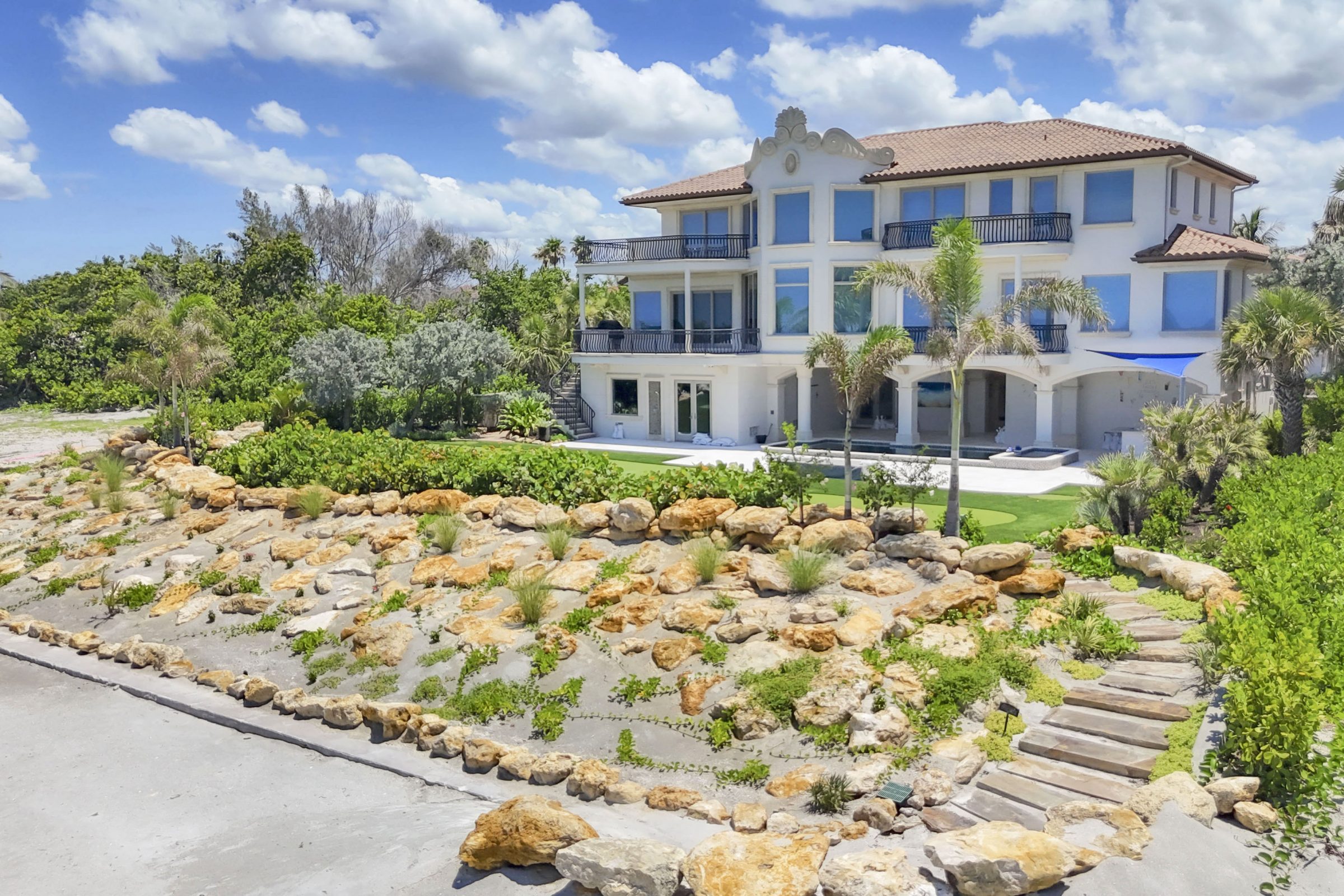
At Arbor Landscapes, meeting timelines is not just a goal, but a standard. Every project is supported by an account manager who serves as your single point of contact. This role keeps communication clear, ensures your questions are answered quickly, and prevents delays caused by missed details. You always know who to reach out to, and you can count on consistent updates from someone who knows your project inside and out.
Behind that account manager is a leadership team that covers every aspect of landscaping. Steve leads construction, making sure the build process, from patios and walls to grading and planting, runs smoothly. Ozzy brings maintenance insight, helping to plan projects with long-term care in mind so your investment holds its value. Jake manages lighting expertise, ensuring that electrical and design considerations are included in the schedule without creating bottlenecks. This combination of skills means your project moves efficiently through all phases without unnecessary pauses.
We also believe in doing the work right the first time. That means proper preparation, dependable crews on site from start to finish, and accountability at every stage. You don’t have to chase updates or wonder when crews will return. Instead, you get a landscape project timeline that is realistic, organized, and built to reduce disruption to residents, customers, or operations.
If you are ready to learn exactly how long does landscaping take for your property, Arbor Landscapes can provide a clear schedule from design approvals through final planting. Request a consultation today and start your project with a dependable plan you can trust.
Summary
This guide explained how long does landscaping take and why timelines depend on design decisions, permitting, and construction phases. You learned how a landscape design timeline covers surveys, utilities, and approvals, how pre-construction tasks prepare sites for efficient work, and how the patio installation timeline and other scopes fit into broader landscape construction phases. We also covered the importance of permits for landscaping projects, daily communication, and strategies to avoid idle time.
With Arbor Landscapes, you get timelines that are met, communication you can count on, and account managers who ensure your project stays on track from start to finish.
Tags: