
Artificial Turf Backyard Ideas: Xeriscape & Putting Greens
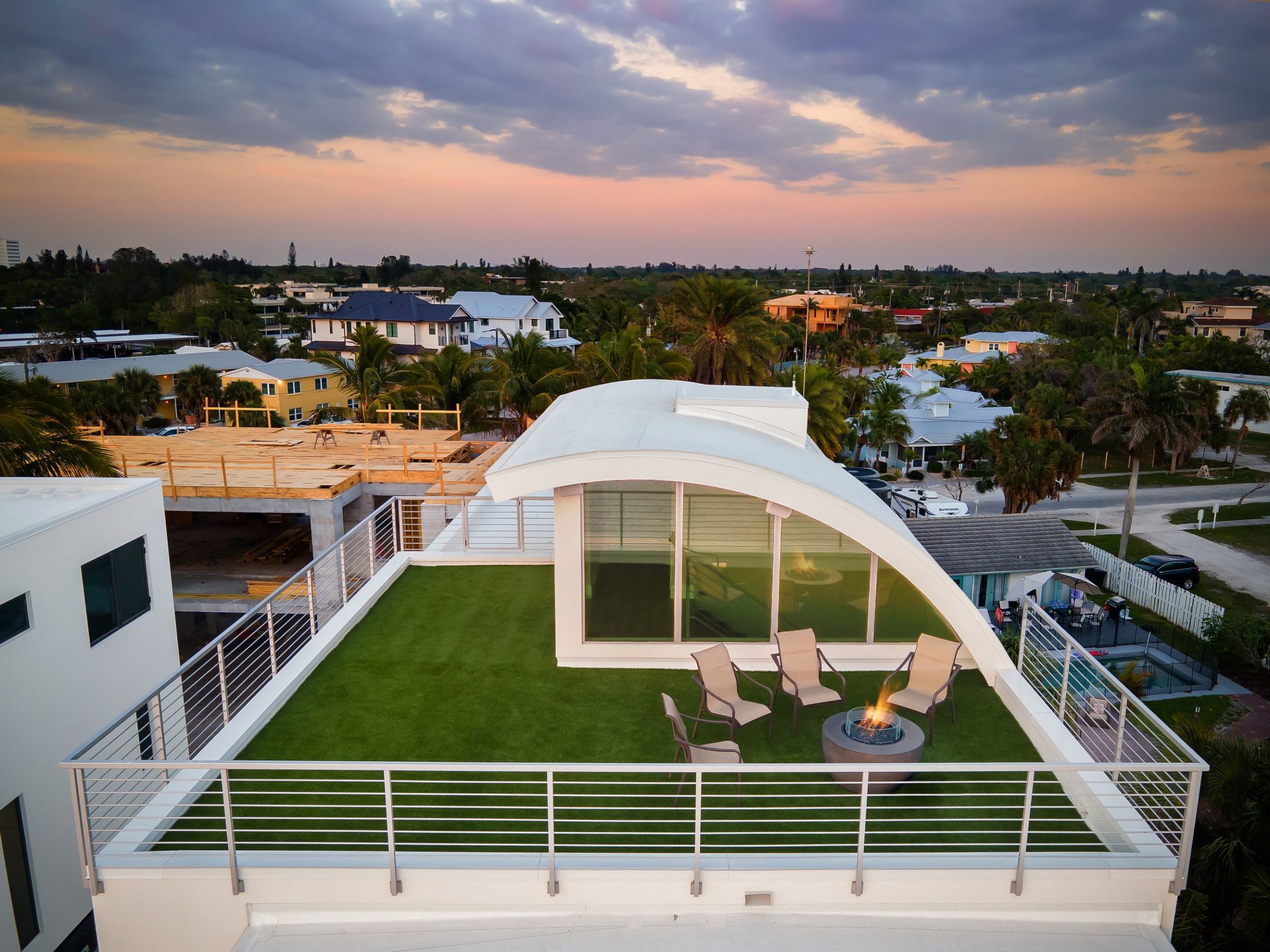
Do you find yourself frustrated by the upkeep of natural grass, rising water restrictions, or uneven backyard surfaces? A yard that takes more time than it gives back can feel like a chore rather than a retreat. Mowing, seeding, and patching bald spots often steal hours you’d rather spend enjoying your space. When heavy rain leaves soggy patches or drought leaves brown ones, the challenge grows.
Artificial turf gives you another option. It creates a reliable surface for golf practice, play fields, or xeriscape yards. With the right planning, it saves water, reduces maintenance, and still keeps your yard inviting.
In this guide, you’ll discover artificial turf backyard ideas for putting greens, water-wise landscapes, and sports areas, along with drainage, lighting, and upkeep tips to keep your yard in shape.
What Artificial Turf Backyard Ideas Fit Best With Your Space?
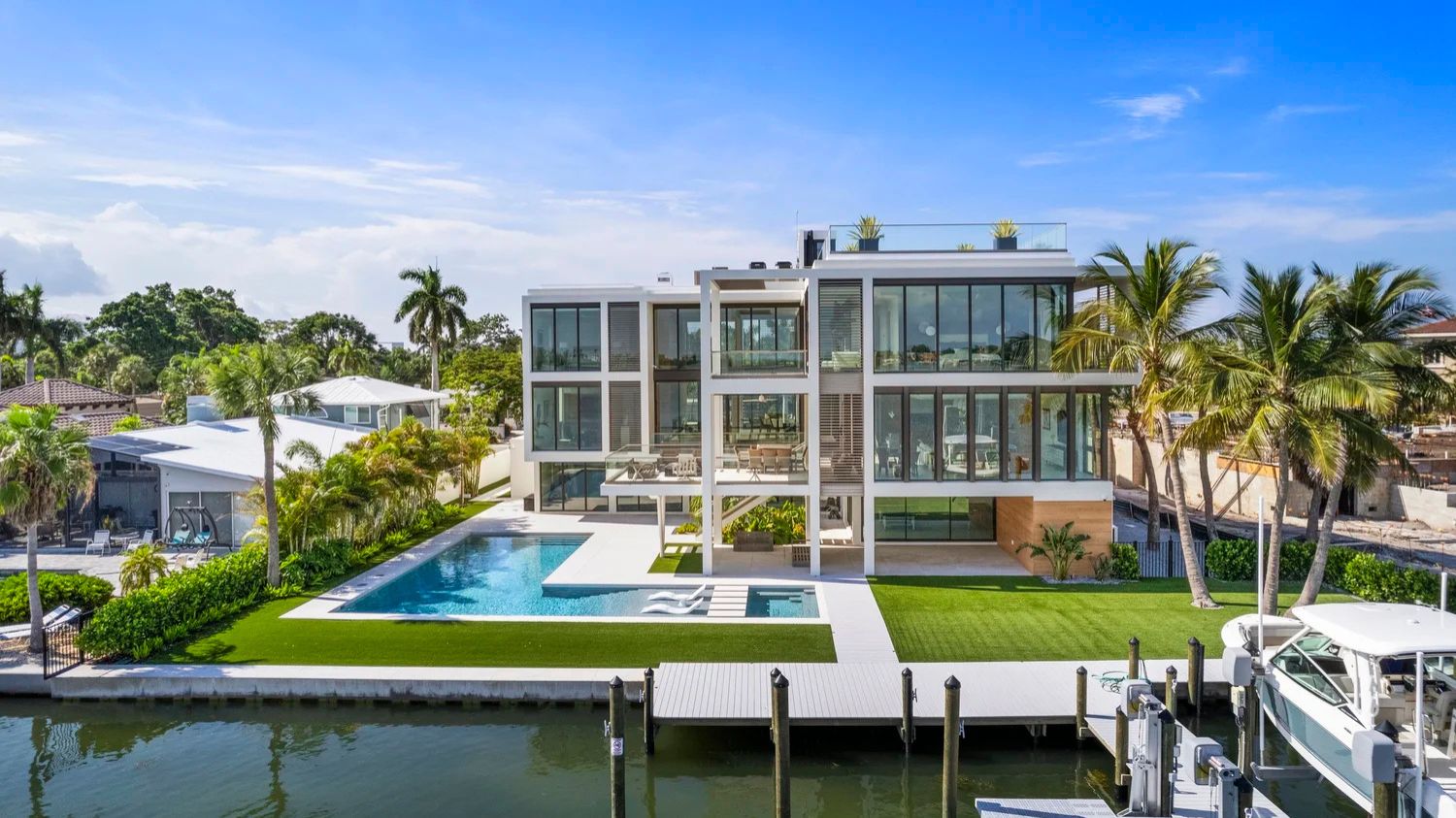
Each property size has unique possibilities and challenges. Your layout should reflect how you live, whether it’s daily family play, quiet evenings outdoors, or entertaining friends. With the right planning, artificial turf becomes more than just a lawn replacement. It turns into a dependable feature that supports your lifestyle.
Small Backyards
In compact yards, turf should create clean, functional zones. A simple turf strip bordered by planters or stone paths gives children room to play without clutter. Narrow courtyards can benefit from turf paired with vertical gardens, adding greenery without consuming floor space. Seating areas with turf underfoot also make patios softer and more inviting. By using smaller turf sections strategically, you achieve both comfort and efficiency without overwhelming the yard.
Medium Backyards
Medium-sized spaces open the door to more variety. Turf can serve as a centrepiece while gravel walkways or river rock borders add texture. A defined turf rectangle creates a sitting or gathering zone, while adjoining beds filled with low-water plants bring color. This balance of soft turf, natural stone, and greenery gives the yard structure without high maintenance. Medium yards also allow for features like a small putting green or a multi-use play surface, depending on family needs.
Large Backyards
For expansive yards, artificial turf allows for multiple dedicated areas. You can combine a full-size putting green with a mini soccer field or create separate play and entertainment zones. Large turf expanses stay neat without the hours of mowing natural grass would require. You also have room to integrate xeriscape borders, stone accents, and shaded gathering areas without compromising open space. A professional installation ensures even large surfaces drain correctly and stay level.
How Do Backyard Putting Green Ideas Work For Size, Slope, & Cup Layout?

A backyard putting green is one of the most rewarding ways to use artificial turf. It offers you a personal space to practise, unwind, and even entertain guests. The design, however, should reflect both your available space and your expectations for play.
When you’re planning, three details matter most:
- Size: The dimensions of your green will influence how you use it. A smaller green is perfect for quick practice sessions, while a larger area gives you room for multiple cups, walking paths, or even simulated fringe areas. Choosing the right size is about balancing the space you have with the kind of practice you want.
- Slope: Flat greens are easy to install but don’t prepare you for the real conditions on a course. Adding gentle slopes makes practice more realistic and interesting. Subtle breaks help you read putts and adjust your stroke in ways that mirror actual play. Too much slope, though, can make putts frustrating instead of fun.
- Cup layout: The position of the cups defines the variety of shots you can take. Straight putts build confidence, while angled ones sharpen precision. Strategically placing cups near edges, corners, or slopes keeps practice fresh and avoids repetition.
What Xeriscape Lawn Alternatives Can Save You Water Without Losing Curb Appeal?

Maintaining a traditional lawn can be a challenge, especially with water restrictions becoming more common. Even if you manage to keep grass green, the amount of irrigation, fertilizer, and care it demands may not feel worth the effort. That’s why many homeowners turn to xeriscaping; an approach that prioritizes water efficiency while still protecting the appearance of your property.
Artificial turf is a major part of xeriscaping because it stays green without watering, but it doesn’t have to stand alone. When you combine turf with stone elements, you create texture, contrast, and durability. These xeriscape lawn alternatives not only save resources but also give you design flexibility that natural grass can’t match.
Mexican Beach Pebbles
Mexican beach pebbles are smooth, rounded stones that often come in shades of grey, black, or tan. Their polished appearance gives them a refined look, making them one of the most versatile xeriscaping materials. You can use them to edge artificial turf areas, line garden beds, or even fill in dry creek features that run through your yard. Because they come in a variety of sizes; from small pebbles to larger stones; you can create subtle texture or bold visual impact depending on your preference. They are also easy to maintain, since their smooth surfaces shed debris and are simple to rinse clean.
Santorini Stone
Santorini stone, with its striking dark volcanic tone, is an excellent way to add contrast to lighter turf. The rich black or deep charcoal color works particularly well in contemporary landscapes, where bold, clean lines are part of the design. This stone is often used in bands or clusters, drawing the eye to specific features such as seating areas or water elements. Its dramatic color makes surrounding greenery pop, and when paired with artificial turf, the result is a balanced mix of soft and strong textures. Because Santorini stone is durable and weather-resistant, it holds up well through seasons.
River Rock
River rock offers a more natural, varied look. With its rounded edges and mix of soft earth tones, it can give your xeriscape a relaxed, organic feel. It’s commonly used in pathways, garden borders, or decorative drainage channels. One of the biggest advantages of river rock is its versatility; it looks just as good around a firepit as it does along the edge of a lawn or beside planting beds. Since river rock comes in different sizes, you can choose finer stones for walking paths and larger ones for statement areas. Its varied colors also blend well with most architectural styles, from modern builds to more traditional homes.
Crushed Granite
Crushed granite is another popular xeriscape material because of its compactability and fine texture. Unlike rounded stones, crushed granite locks together tightly, making it a strong choice for walking paths or as a base under seating areas. It can be used to create clean, defined surfaces that won’t shift underfoot, and its subtle sparkle in the sunlight adds a nice visual detail. Granite’s neutral tones make it easy to pair with both turf and plants, and because it drains well, it reduces water pooling in heavy rains.
How Can Artificial Turf Xeriscape Ideas Pair With Stone And Planting?

Xeriscape yards don’t have to feel sparse. By combining artificial turf with stone and planting, you can design a yard that is low-maintenance, water-efficient, and visually interesting. The key is using simple pairings that highlight contrast while keeping the layout functional.
Some artificial turf xeriscape ideas include:
- Turf strips between stepping stones or concrete pavers
- Boulders placed at turf edges for structure
- Drought-tolerant plants such as lavender or ornamental grasses planted alongside turf
- Stone borders to frame turf sections and reduce trimming
- River rock bands that separate turf from garden beds
- Large pebbles or gravel surrounding turf play zones
- Low shrubs used at the transition between turf and fencing
- Contrasting stones like Santorini stone to highlight turf’s color
Each of these pairings creates balance: turf provides the green foundation, while stones and plants supply texture, shape, and seasonal variety. You don’t need to choose just one approach; most yards benefit from combining several of these elements in different zones.
The advantage of working with turf in a xeriscape design is that you get the softness and usability of a lawn without the constant watering or mowing. Stones protect edges, plants add life, and the result is a space that feels finished and dependable. With thoughtful planning, your yard becomes a place that looks good year-round while staying easy to maintain.
How Can You Design A Mini Soccer Field Backyard That’s Safe For Play?
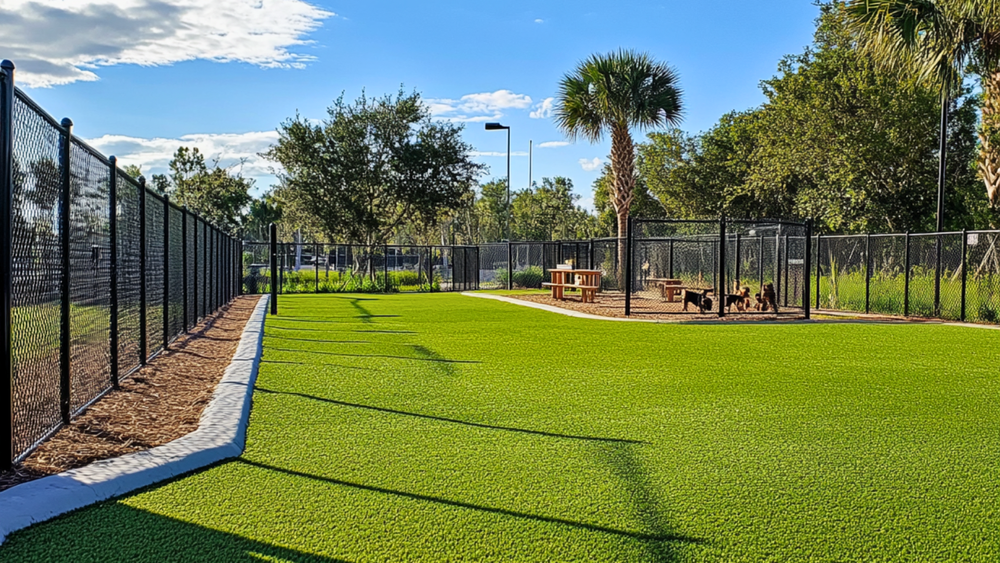
If your family enjoys soccer, creating a mini field in the backyard can be a practical way to encourage play and exercise without leaving home. Artificial turf works especially well for this purpose because it offers durability, consistent footing, and year-round usability that natural grass rarely provides.
The size of the field depends on your yard. Smaller spaces can still support safe play with dimensions around 30 by 50 feet, while larger properties may allow for a bigger layout. What matters most is that the surface is level and compacted so players can move confidently without risk of tripping. A well-prepared base also ensures proper drainage, keeping the surface dry and dependable after heavy rain.
You’ll also want to think about goal options. Portable nets allow flexibility, while anchored ones suit a more permanent setup. With the right design and materials, a mini soccer field backyard becomes a reliable play space where kids can practice skills and enjoy the game without constant repairs or reseeding.
What Should You Know About Drainage For Turf & Putting Greens?
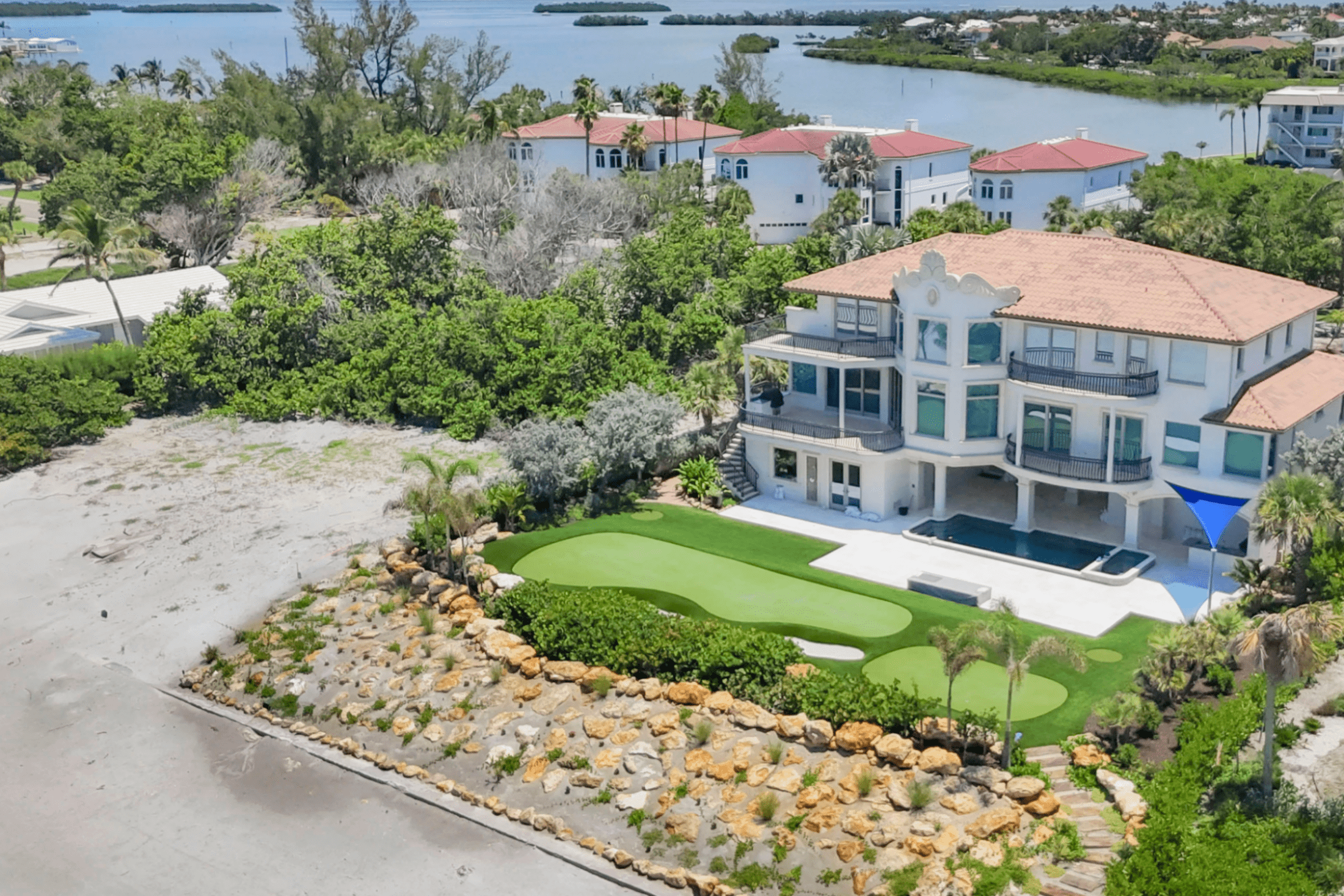
Drainage is one of the most important but often overlooked parts of a turf installation. Without a proper system in place, water can pool on the surface, turf may shift, and the base beneath can erode over time. For both backyard putting greens and play surfaces, good drainage ensures the area stays safe, usable, and long-lasting.
Grades
The slope, or grade, of the base is what directs water away from your home and prevents pooling on the turf itself. Even a slight grade makes a difference. A professional installation sets these slopes carefully so water moves where it should, rather than creating uneven, soggy patches that affect play or shorten the lifespan of the turf.
Inlets
Low points in your yard often collect runoff. To manage this, catch basins or inlets can be installed beneath or beside the turf. These inlets gather excess water and channel it away through pipes or gravel beds. For larger putting greens or backyard sports fields, inlets prevent flooding and keep the surface stable after heavy rainfall.
Edges
Strong edges frame the turf and keep the base material in place. Without them, water can wash out the sublayer, leaving gaps or uneven surfaces. Edging materials, such as treated lumber, concrete, or stone, also hold turf securely so it doesn’t shift with time or weather. This detail might seem small, but it is essential for both performance and durability.
How Do Turf Heat, Shade, & Kid-Friendly Play Areas Work Together?
Artificial turf has many benefits, but one concern that often comes up is heat. In full sun, turf can feel warmer than natural grass. By considering shade, turf type, and design features, you can keep the surface safe and comfortable for everyone.
Shade
Adding shaded areas helps manage surface temperature. You can use:
- Pergolas or gazebos for permanent structures
- Shade trees for natural cooling
- Umbrellas or retractable awnings for flexibility
Even partial shade throughout the day makes a noticeable difference in play areas.
Turf Color
The color of turf matters. Lighter shades reflect more sunlight and stay cooler than deep green or dark blends. While the difference may seem small, it can add comfort during hot summer afternoons.
Infill Choices
Modern infill products are designed to reduce surface temperatures. Choosing a cooling infill instead of standard sand or crumb rubber lowers heat retention and creates a safer play surface.
Kid-Friendly Design
Pile height determines how the turf feels. Shorter piles work best for sports activities like soccer or ball games. Slightly taller turf feels softer underfoot, making it better for children’s play zones. When combined with shaded areas, this ensures a comfortable and safe space.
What Are The Best Artificial Turf Maintenance Tips You Can Follow?
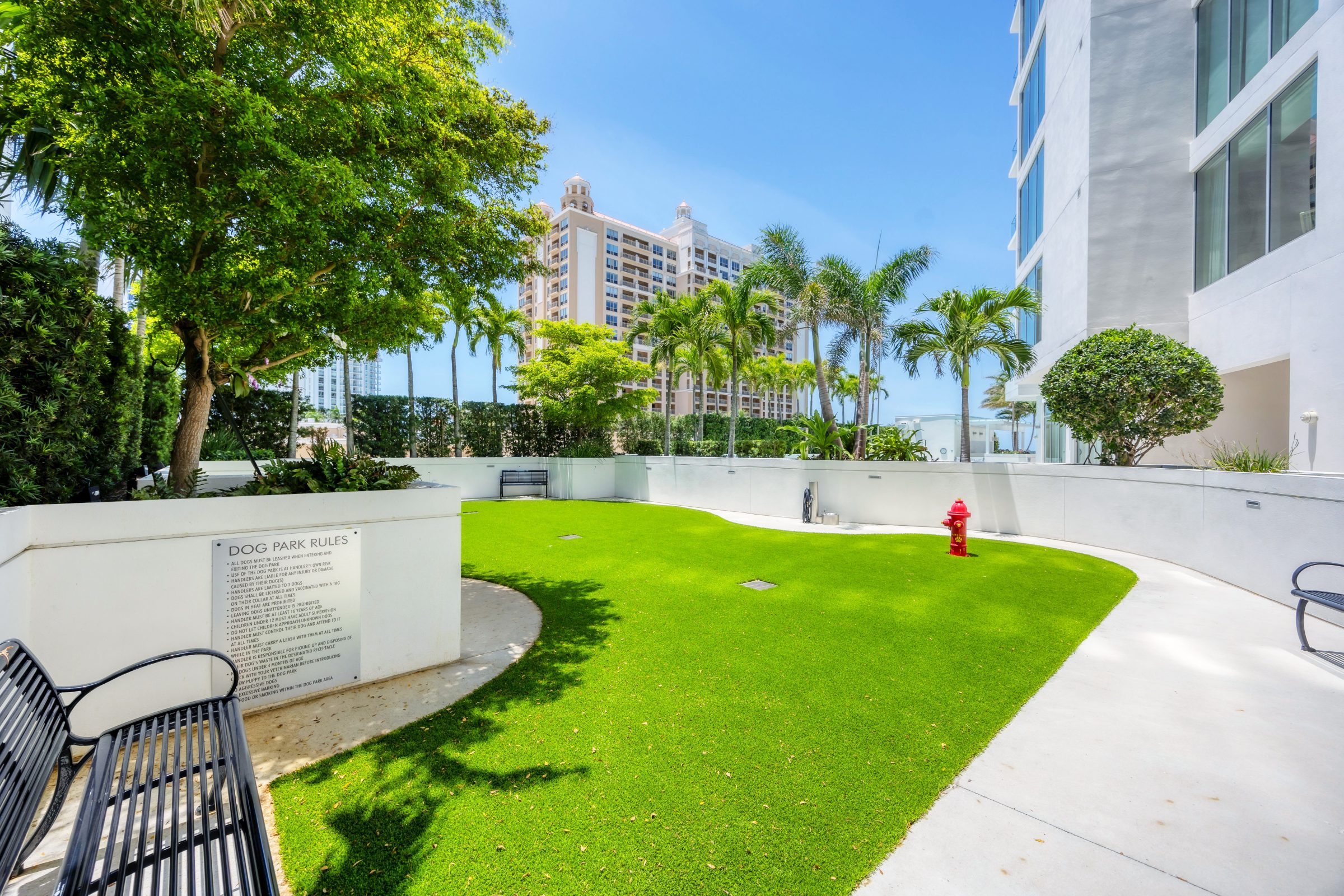
Artificial turf requires far less effort to maintain than natural grass, but it still benefits from regular care. By keeping up with a few simple tasks, you can keep your yard looking fresh and extend the life of your turf.
- Brush turf blades regularly to keep them upright
- Rinse surfaces with water to remove dust and pollen
- Use mild soap for occasional spot cleaning of spills
- Pick up debris like leaves or branches to prevent matting
- Patch small tears right away before they spread
- Re-secure any lifted or loose edges
- Check drainage spots after heavy rain to make sure water flows properly
- Refresh infill material as needed to maintain cushioning and stability
What Should You Know About Lighting & Irrigation For Turf Areas?
Artificial turf doesn’t need watering, but most backyards still include trees, shrubs, or planting beds that do. This is where irrigation planning comes in. Separating turf areas from planting zones ensures you’re not over-watering the turf while still giving plants the moisture they need. Proper zoning also helps reduce water waste and keeps your system more efficient.
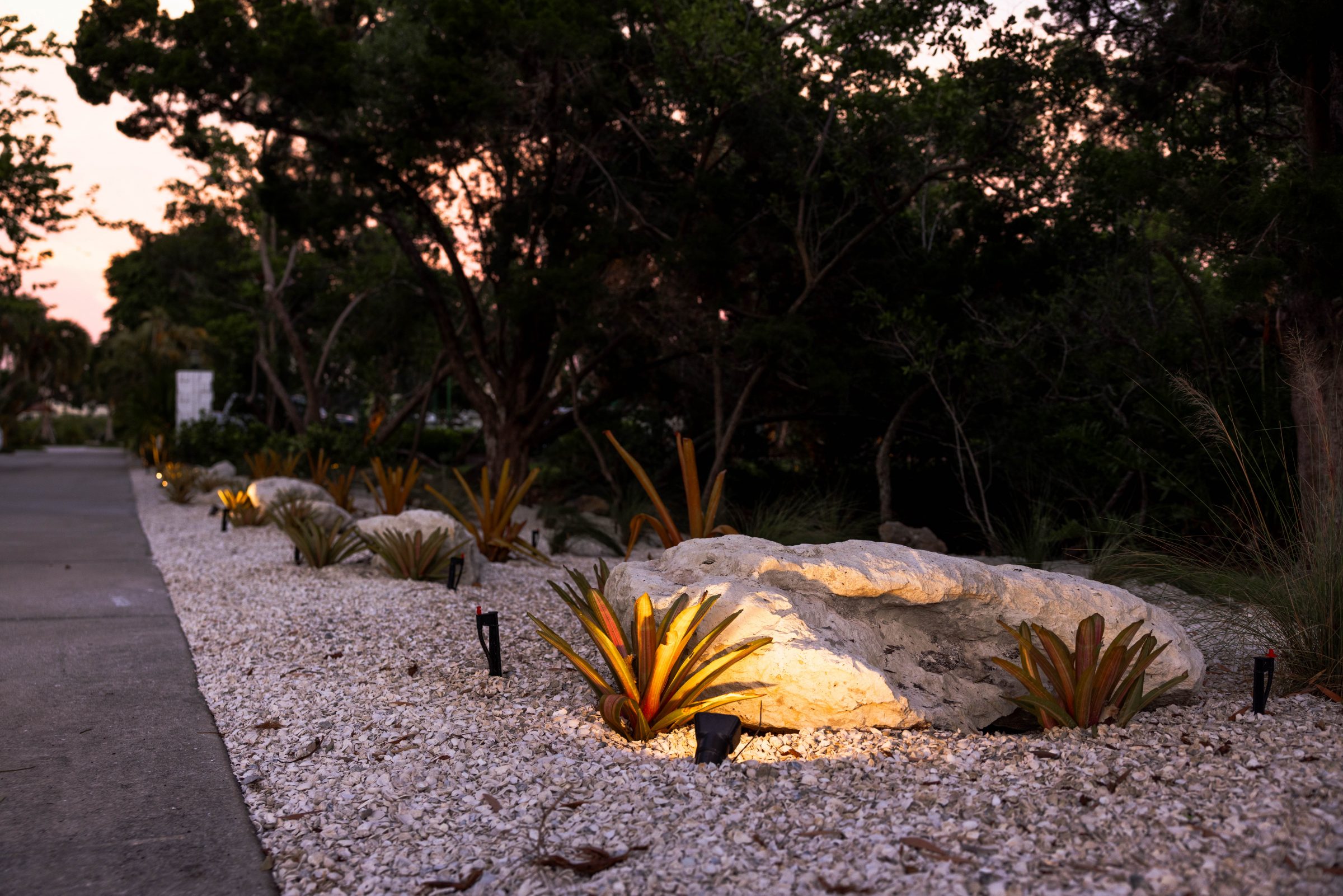
Lighting is another detail that adds both safety and atmosphere to turf spaces. Pathway lights guide movement at night, while uplights can highlight trees, stone features, or seating areas. The right lighting makes your backyard usable after dark and enhances curb appeal.
Timers and sensors tie these systems together. Automated schedules prevent over-watering, while motion or photocell sensors keep lights operating only when needed. When irrigation and lighting are planned alongside artificial turf, the result is a yard that looks polished, functions well, and stays easy to maintain throughout the year.
How Can Arbor Landscapes Help You With Turf Design & Build?
Every yard is different, and so is every turf project. At Arbor Landscapes, we focus on designing and building spaces that reflect how you actually use your backyard. Whether it’s a putting green for practice, a xeriscape lawn that saves water, or a safe play area for your kids, our goal is to create outdoor spaces that work for your lifestyle.
What sets us apart is how we manage projects from start to finish. Meeting timelines is a priority, and we keep communication open so you always know what stage your project is at. Each client has a dedicated account manager, giving you one point of contact who understands your vision. Our crews are guided by leaders who value doing things the right way, without cutting corners, and that dedication shows in the results.
If you’re ready to take the next step with your turf project, Arbor Landscapes is here to help. We combine honest service with dependable craftsmanship, ensuring your backyard becomes a space you can use and enjoy every day. Are you planning a turf for your yard? Request a consultation today and let Arbor Landscapes do the work for you.
Summary
This blog explored artificial turf backyard ideas for golf greens, xeriscapes, and sports fields. You learned about backyard putting green ideas, xeriscape lawn alternatives, mini soccer field backyard setups, and artificial turf maintenance tips. We also looked at artificial turf xeriscape ideas that combine stone and planting for water savings and style. With proper planning for drainage, lighting, and upkeep, your yard becomes a dependable, low-maintenance space.
Tags: